
| Takeaway | Detail |
|---|---|
| Retrofit is the defensible default only when tier-1/ASEP screening finds deficiencies in fewer than three retrofit-scoped elements. | Threshold: fewer than three retrofit-scoped elements; if deficiencies reach the foundation system, retrofit is not the default. |
| Authorize retrofit only after an ASCE 41 tier-1 screening with two independently derived baselines. | Requirement: two independently derived baselines; retrofit authorized only if deficiencies are local, code-traceable, and verifiable. |
| The guide's scope is Memphis buildings subject to the 2018 International Building Code. | Scope condition: Memphis buildings subject to the 2018 IBC; no other code editions or jurisdictions are covered. |
| IBC guard requirements make glass edge design a code decision, not only an aesthetic one. | Grounded note: early design decisions matter; glass edge design cannot be handled as purely aesthetic under International Building Code guard requirements. |
This guide compares lateral retrofit and rebuild options for Memphis buildings under the 2018 International Building Code.
It sets screening thresholds and verification rules for deciding when retrofit is defensible.
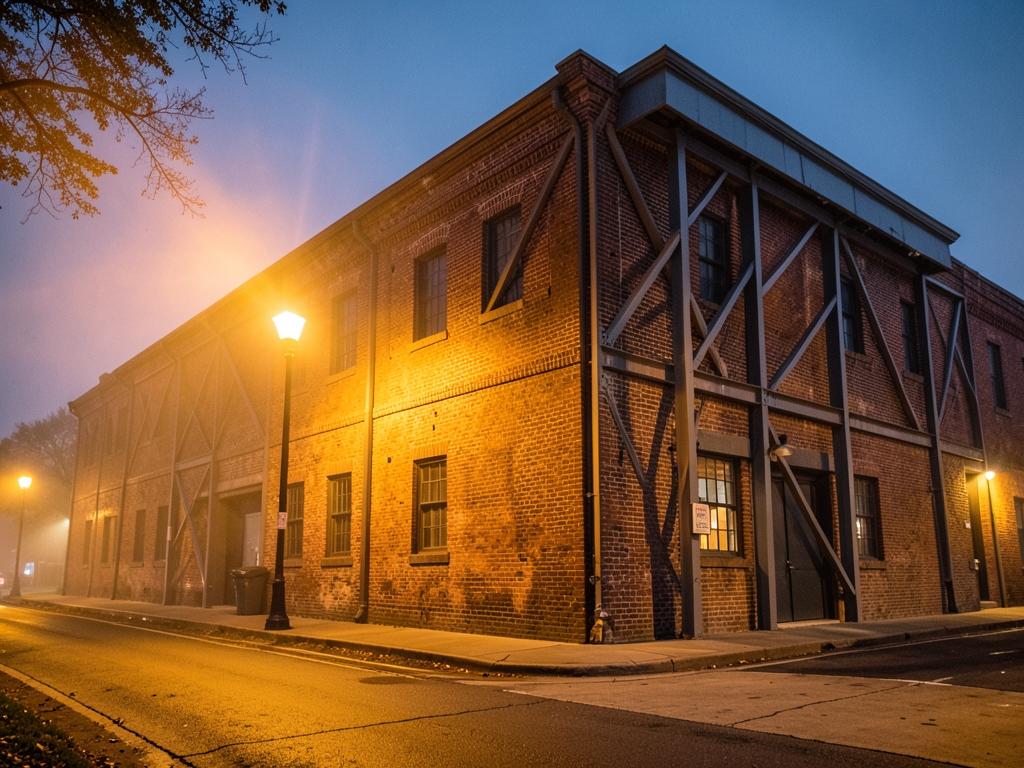
How Memphis lateral code review works
In Memphis, the lateral retrofit-or-rebuild trigger does not start with a model code name; it starts with the edition and amendments the city has actually adopted. The International Building Code becomes enforceable for a project only through local adoption, local amendments, and permit review. Before relying on any edition, including one labeled 2018 IBC, confirm the current adopted edition and amendments through the City of Memphis Division of Code Enforcement or Construction Code Enforcement office and the Memphis & Shelby County joint building code adoption records. Treat a document citation to “2018 IBC” as a claim to verify, not as proof of the governing standard.
For an existing building, ASCE 41, Seismic Evaluation and Retrofit of Existing Buildings, supplies the screening path. Its tier-1 screen is a rapid, checklist-level evaluation that compares selected building elements against a chosen performance objective and seismic hazard, then lists potential deficiencies. It is an evaluation tool, not a retrofit design. Because the trigger depends on that list, the screen should be run with two independently derived baselines—such as an independent reviewer or a separate calculation path—so one unchecked model does not become the decision.
Local plan review is where the adopted code, the ASCE 41 screen, and the project evidence meet. The reviewer checks whether each deficiency is traceable to a provision of the adopted IBC edition and local amendments, whether the deficiency is local to an element or part of a broader lateral-system issue, and whether the proposed verification—calculations, details, testing, or inspection—can demonstrate compliance. The adopted code sets the minimum for new or alteration work; ASCE 41 provides the evaluation method; local review determines whether the proposed retrofit scope is acceptable under the locally adopted standard.
The trigger is therefore a chain, not a single finding: adopted edition confirmed, tier-1 deficiencies identified, code traceability established, and verification accepted. Where those conditions hold, a retrofit can be evaluated as an alteration path; where they do not—such as when the deficiency reaches the foundation system or cannot be isolated and verified—the project is pushed toward a broader evaluation or rebuild path. The tier-1 screen is a gate in that chain, not the final answer.
| Layer | What it contributes | What it does not decide |
|---|---|---|
| Adopted IBC edition and local amendments | Enforceable minimum lateral requirements | Whether an existing building is deficient |
| ASCE 41 tier-1 screen | Deficiency list against selected objective | Retrofit scope or cost |
| Local plan review | Code traceability and verification acceptance | Structural adequacy by itself |
| Retrofit-or-rebuild trigger | Whether retrofit remains an alteration path | Final design or construction method |
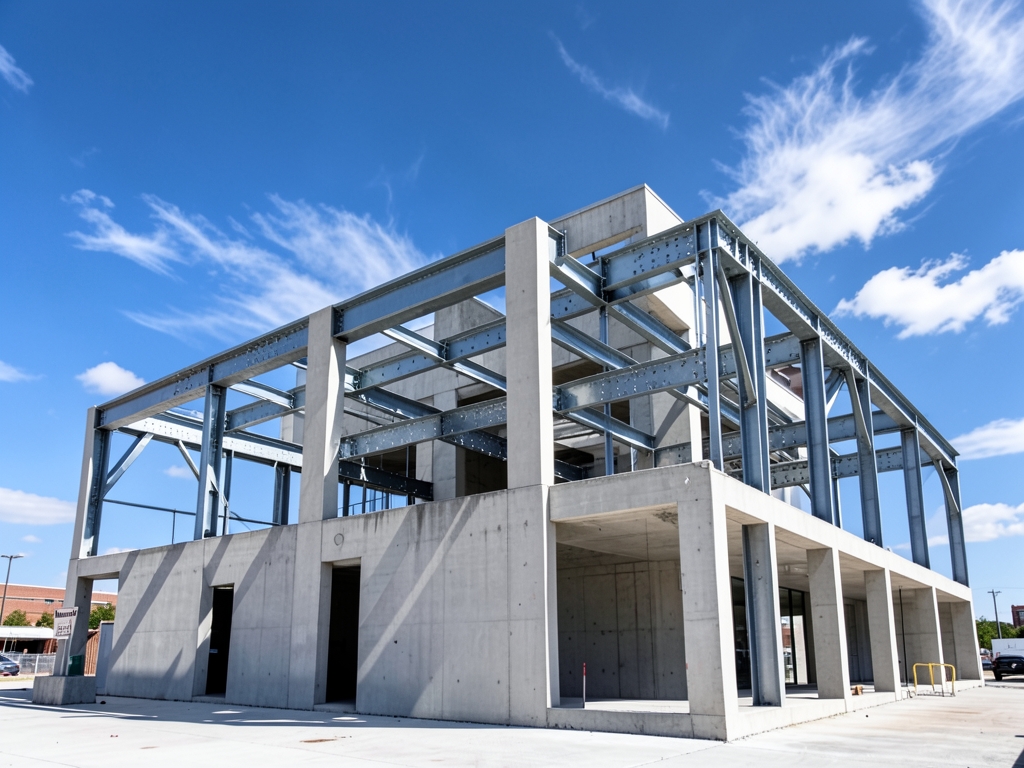
The evidence: what you must verify
Verification starts with four separate records, not with a conclusion. Before a retrofit is treated as the default, obtain and file one document set from each of four independent sources; if any set is missing, incomplete, or internally inconsistent, treat the retrofit authorization as unverified and stop.
| Source | Where to obtain | Exact document it must yield |
|---|---|---|
| 1. Adopted code text | Memphis or Shelby County municipal clerk or code enforcement office | Written ordinance, amendment, or code-adoption record stating the adopted IBC edition year and any local amendments; a verbal answer is not sufficient |
| 2. Site seismic hazard | FEMA/USGS Seismic Design Maps tool for the parcel's ZIP code | Retrieved parameter set for Ss, S1, SDS, and SD1, labeled with the tool version or retrieval date and the parcel identifier used |
| 3. ASCE 41 tier-1 screening | Qualified structural reviewer independent of the retrofit designer where practical | Screening checklist, deficiency log, and two independently derived baseline calculations with stated assumptions |
| 4. Deficiency traceability | Project structural calculations and marked-up drawings from the engineer of record | Element-by-element deficiency list with code citations, locations, and confirmation of whether each deficient element is within the retrofit scope and whether the foundation system is involved |
Source 1 is a stop point, not a formality. If the office cannot produce the adopted text, record the edition as unconfirmed and do not proceed to hazard retrieval or screening; an unconfirmed edition cannot support a code-traceable deficiency claim.
Source 2 must be labeled at retrieval. Save the FEMA/USGS output with the date or version shown by the tool and the ZIP code or parcel identifier used; a later recalculation or an unlabeled screenshot is not the same record. If the parcel spans more than one ZIP code, retrieve and file the result for each ZIP code used in the analysis.
Source 3 must show independence in method, not just in signature. The two baselines must be derived separately, with their assumptions stated; a second copy of the same calculation does not satisfy the requirement. The deficiency log should identify each deficient element and its scope status without collapsing separate elements into one item.
Source 4 is where "code-traceable and verifiable" is tested. Each deficiency must point to a specific code provision and a specific element in the drawings or calculations; if a deficiency cannot be tied to both, it is not verified. The record must also state whether the foundation system is among the deficient elements, because that status changes the retrofit question.
Keep the four records separate in the project file and cross-check them before authorization: the code edition in Source 1 must match the provisions cited in Source 4, the hazard values in Source 2 must match the inputs used in Source 3, and the screening deficiencies in Source 3 must match the element list in Source 4. A mismatch is a verification failure, not a clerical detail.

Retrofit vs rebuild: side-by-side
For Memphis buildings subject to the 2018 IBC, the side-by-side comparison should be read as a screening-outcome contest, not as a preference contest. The table below names the winner condition for each of the four deficiency patterns that matter after a tier-1/ASEP screen; it does not replace tier-2 analysis, and it assumes the two baselines already established for the project have been carried into the comparison.
| Path | Winner condition | Deficiency count | Deficient system | Tier-2 cost driver | Permit path | Displacement |
|---|---|---|---|---|---|---|
| Local frame deficiency | Retrofit, if three or fewer noncompliant statements, no foundation involvement, and one single-system fix | Three or fewer | Frame only | Demand-capacity checks for the affected members and connections | Retrofit permit | Scope can be sequenced around occupancy |
| Local diaphragm deficiency | Retrofit, under the same three conditions | Three or fewer | Diaphragm only | Force-transfer and diaphragm capacity checks | Retrofit permit | Scope can be sequenced around occupancy |
| Weak-story deficiency | Rebuild | Any count that includes the weak-story condition | Vertical system behavior | Full lateral system replacement and reconfiguration | Demolition plus new permit | Full vacancy planning |
| Foundation-system deficiency | Rebuild | Any count that includes foundation involvement | Foundation | Foundation replacement or major underpinning | Demolition plus new permit | Full vacancy planning |
Read the count column as a screening carryover, not as a budget. It is the number of noncompliant statements that survive from tier-1 into tier-2; once that count reaches three or more retrofit-scoped elements — i.e., no longer fewer than three — or once any statement implicates the foundation system, the retrofit default is no longer defensible on this screen. The frame and diaphragm rows above can support retrofit only while the verified count stays below three; a weak-story or foundation finding ends the retrofit question regardless of count.
The deficient-system column is the real divider. Frame and diaphragm deficiencies can remain retrofit candidates when they are local, code-traceable, and verifiable; weak-story and foundation-system deficiencies are rebuild conditions because they change the load path rather than repair a component.
Permit path and displacement follow scope rather than preference. A single-system retrofit is reviewed as a retrofit permit and can often be staged; a rebuild generally requires demolition plus a new permit and full vacancy planning. If tier-2 analysis later shows foundation involvement or weak-story behavior, the winner flips to rebuild even if the original count was small.
Numbers that drive the decision
This section alone defines which project-specific numbers must be computed and where each comes from — no external cost averages asserted. The first number to lock in is the capacity-demand figure: obtain the tier-1 'D' (demand) values for your building directly from your engineer's ASCE 41 screening report. For every element that is checked, record the performance objective used (for example, Life Safety), because the same building can yield different D values under different objectives. Do not accept a condensed checklist without that objective column, as the D values are only valid for the objective they were run under.
From that same report, extract a strict scope count of only the retrofit-scoped elements marked deficient. Do not lump unrelated items together, and treat the foundation system as its own flagged category rather than blending it into a general tally. This count must be traceable to specific checklist page numbers and element IDs. If the foundation system appears as deficient, or if the count of other retrofit-scoped elements grows beyond what can be verified, that numeric count itself becomes a required check point before moving to cost.
For cost, collect inputs locally with method only. Require two licensed structural engineers' retrofit opinions, two GC quotes scoped strictly to the tier-2 strengthening set identified by those opinions, and one demolition + replacement cost opinion from a separate GC. For each of these five inputs, demand a written scope list that references the exact element IDs pulled from the screening report. Do not rely on published cost figures from any outside source, since none of them represent a specific Memphis project; only the five locally scoped inputs above can drive the comparison.
Finally, compile all of these project-specific numbers onto one comparison sheet: the D values with their performance objective, the element-ID based scope count with foundation flagged, and the five matching cost inputs. Only compare figures that share the same element IDs. If any required number cannot be produced with that traceability, the sheet remains incomplete, and no retrofit-or-rebuild comparison can be made from it. These are the only numbers that must drive the decision for this project.
What this guide cannot establish
This section does not establish which code edition Memphis currently enforces or whether an unreinforced masonry retrofit mandate applies; no adoption record for either has been verified here. Confirm both with the City of Memphis code enforcement office before scoping, and file the written response with the project record. A retrofit default cannot be defended from an unconfirmed edition or an unverified mandate.
It also does not establish that the tier-1 count alone survives every project condition. The count-based default assumes the deficiency list is complete, local, code-traceable, and verifiable. Where that assumption fails, the rule breaks even if the screened count is low. The screening's two baselines are not reproduced here; this section states only where their result stops being controlling.
| Condition | Effect on the retrofit-default rule |
|---|---|
| Unreinforced masonry construction | Local mandates may force retrofit regardless of the tier-1 count. |
| Historic-designated structure | Review-board constraints can make rebuild infeasible, so the count is not the controlling comparison. |
| Inaccessible foundation | Screening cannot clear the building, so the retrofit default is not established. |
| Local, code-traceable, verifiable deficiencies | The default may still hold, subject to the verified code edition and any mandate. |
A screening result is not an adoption record, a mandate determination, or a board approval. It can show where deficiencies appear, but it cannot by itself establish enforceability, mandate applicability, or the feasibility of rebuilding. Treat it as evidence of condition, not as permission to default.
If the code edition, any unreinforced masonry mandate, historic status, or foundation accessibility remains unresolved, record that item as an open verification and route it to the authority that owns it: code enforcement for edition and mandate questions, the historic review board for designation constraints, and the structural or geotechnical team for foundation access. Until those items close, treat retrofit as unproven rather than default.
The practical boundary is simple: the retrofit-default rule holds only where the screening is complete and the project conditions do not displace it. Where an edge condition applies, the count is secondary to the condition, and the decision must be re-scoped.
Frequently Asked Questions
When is Detail Retrofit the defensible default?
Detail Retrofit is the defensible default only when tier-1/ASEP screening finds deficiencies in fewer than three retrofit-scoped elements.
Does a foundation deficiency change the default?
If deficiencies reach the foundation system, retrofit is not the default.
What must happen before retrofit is authorized?
Retrofit is authorized only after an ASCE 41 tier-1 screening with two independently derived baselines.
What must be true about deficiencies for retrofit authorization?
Retrofit is authorized only if deficiencies are local, code-traceable, and verifiable.
What does the Memphis lateral review trigger depend on?
In Memphis, the lateral retrofit-or-rebuild trigger starts with the edition and amendments the city has actually adopted, not a model code name.
How do guard requirements affect glass edge design?
Under International Building Code guard requirements, glass edge design is a code decision rather than only an aesthetic one.
Quick answers
| When is detail retrofit the defensible default according to the guide? | Detail retrofit is the defensible default only when tier-1/ASEP screening finds deficiencies in fewer than three retrofit-scoped elements, and not if deficiencies reach the foundation system. |
| What must occur before retrofit is authorized? | Retrofit is authorized only after an ASCE 41 tier-1 screening with two independently derived baselines and only if deficiencies are local, code-traceable, and verifiable. |
| What buildings does the guide cover? | The guide covers Memphis buildings subject to the 2018 International Building Code and no other code editions or jurisdictions. |
| How do IBC guard requirements affect glass edge design? | IBC guard requirements make glass edge design a code decision, not only an aesthetic one, so it cannot be handled as purely aesthetic. |
| How does Memphis lateral code review begin? | In Memphis, the lateral retrofit-or-rebuild trigger starts with the edition and amendments the city has actually adopted, not a model code name. |
Also worth reading: Key Changes in NC Building Code 2018 Fire Protection Requirements for Structural Steel: Key Changes in NC Building · Phoenix 2018 Building Code Height Restrictions Impact on Modern High-Rise Development: Phoenix 2018 Building Code Height · Technical Analysis Threaded Rod Performance in Timber Post to Steel Beam Connections Under Lateral Loading: Technical Analysis Threaded Rod Performance